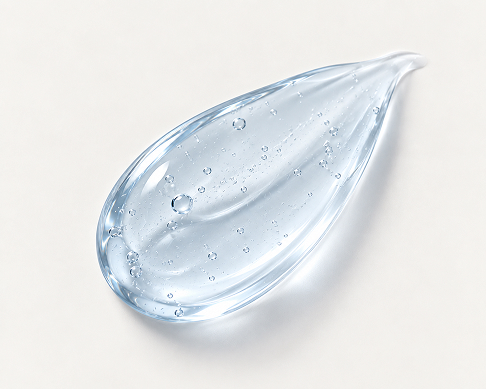
Polyglutamic Acid (PGA)
A high-molecular-weight humectant for deep, long-lasting hydration.
Why Polyglutamic Acid (PGA) ?
Hydrate
Binds water for long-lasting, comfortable moisture.
Plump
Helps skin look fuller, bouncier and more supple.
Comfort
Gentle and well tolerated, suited to sensitive-looking skin formulas.
When to Use
Best considered when developing hydrating serums, essences and moisturizers where long-lasting moisture and a plump, comfortable skin feel are desired.
Better Together
Explore ingredient that can completed Polyglutamic Acid (PGA) in a formulation
Become Formula
See how Polyglutamic Acid (PGA) can become different product experiences
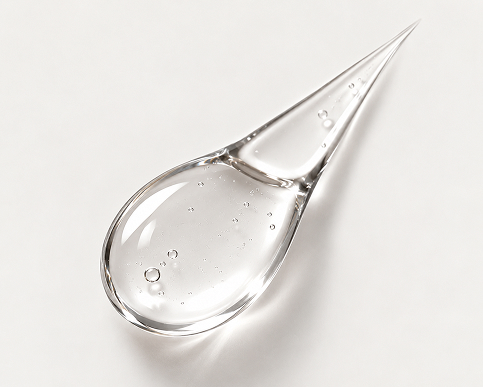
Serum
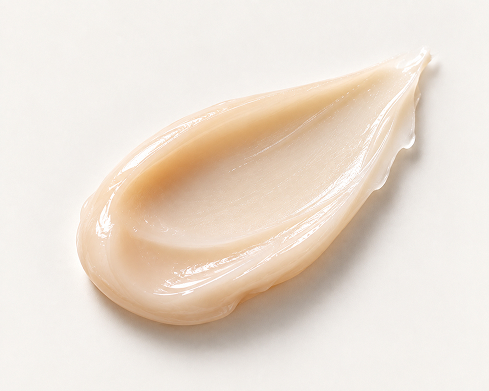
Balm
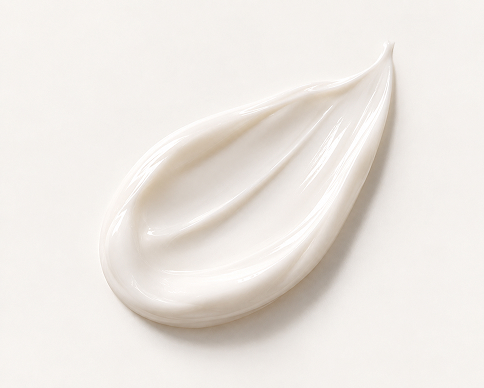
Cream
Gel
Everything you need to know about Polyglutamic Acid (PGA)
Polyglutamic Acid (PGA) is a natural amino-acid polymer produced by fermentation. Its large molecules bind water and form a soft, moisturizing film on the skin, delivering a plump, comfortable feel. It is often paired with Hyaluronic Acid in hydration-focused serums and essences.
What are the benefits of Polyglutamic Acid (PGA) for the skin?
PGA helps form a hydrating layer on the skin’s surface to ease dryness and tightness.
It can complement Hyaluronic Acid by enhancing the moisturized, smooth feel of a formula.
When should you use Polyglutamic Acid (PGA)
Skincare containing Polyglutamic Acid (PGA) can be used morning and evening, especially when the skin feels dry, rough, or uncomfortable after cleansing.
Apply it to slightly damp skin, then follow with moisturizer. This helps retain the water already present on the skin’s surface so hydration feels longer lasting.
Is Polyglutamic Acid (PGA) suitable for sensitive skin
Polyglutamic Acid (PGA) can be used by a wide range of skin types, including sensitive skin, when formulated at an appropriate level. It does not work by exfoliating the skin.
Comfort still depends on the complete product. Perform a patch test before regular use if your skin is highly sensitive or easily reactive.
Can Polyglutamic Acid (PGA) be used with other actives?
Polyglutamic Acid (PGA) can be used in formulas with Hyaluronic Acid, Glycerin, Panthenol, and Ceramide NP. This combination does not require a special waiting period unless the product directions say otherwise.
These pairings can complement hydration, barrier care, or targeted treatment. Introduce the routine gradually if it also contains strong active ingredients.